
Dermaplaning: The Cutting Edge of Good Skin
Dermaplaning is one of those treatments that people often say, “I don’t really know what it is… but everyone says it’s brilliant.” It sounds dramatic and maybe a little intimidating, but behind the raised eyebrows is an effective way to transform how your complexion looks.

What Actually Is Dermaplaning?
It’s a professional exfoliation treatment that uses a sterile, medical-grade blade to gently remove dead skin cells and fine vellus hair (often called peach fuzz) from the surface of the skin. It doesn’t cut into the skin and it doesn’t make hair grow back darker or thicker.
What it does do is reveal the fresh, healthy skin underneath, instantly improving texture, tone and radiance.
Why Skin Loves It
Think of dermaplaning as a reset for your complexion. By removing the layer of dull, built-up skin, everything works better afterwards, from your skincare to your makeup.
Key benefits include:
• Immediate glow and smoother texture
• Brighter, more even skin tone
• Improved absorption of skincare products
• Makeup sits beautifully without clinging to dry patches
• Softening the appearance of fine lines
• Reduction in congestion and surface debris
• Skin simply looks fresher and healthier
It also improves the way your skin absorbs skincare. By removing the barrier of dead cells and surface debris, products can penetrate far more effectively – in fact by up to 80%. That means your serums, hydrators and barrier-repair formulas do the job they were designed for, rather than sitting on the surface.
Dermaplaning & Menopause Skin
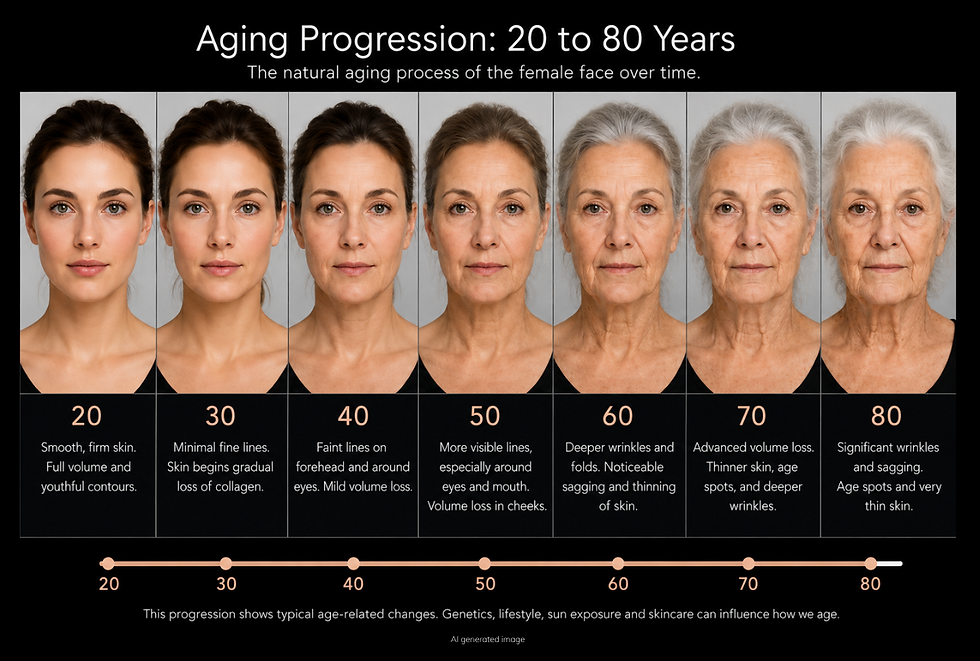
Menopause changes our complexion in ways we rarely get warned about. Collagen levels drops, cell turnover slows, hydration becomes harder to hold onto, and suddenly skin that once behaved no longer does.
You might find texture can feel rougher, makeup can sit badly and that dullness becomes harder to shift.
Dermaplaning is particularly beneficial during peri-menopause and menopause because it supports all of those changes gently, without stressing the skin.
It helps by:
• Removing the layer of slower-shedding dead skin cells
• Improving radiance when skin looks flatter or greyer
• Helping hydrating and barrier-repair products penetrate more effectively
• Softening the appearance of fine lines caused by dehydration
• Creating smoother makeup application when skin texture has changed
Added to this, hormonal shifts can lead to more noticeable hair on the chin, jawline and upper lip. This is incredibly common and completely normal, although you might feel self-conscious about it. Dermaplaning offers a discreet way to remove this hair while simultaneously improving the skin underneath.
But What About Regrowth?
This is the question everyone asks. But the fine facial hair removed during dermaplaning grows back at exactly the same rate, colour and texture as before. It does not become stubbly or thicker – the difference is that when it grows back, the blunt tip isn’t visible because it’s soft, fine hair, just as it always was.
Who Is It Good For?
Dermaplaning is suitable for most skin types, including:
• Dull or tired skin
• Dry or dehydrated skin
• Uneven texture
• Makeup lovers
• Clients wanting instant results
• Sensitive skin (when performed correctly)
• Peri-menopausal and menopausal skin
It may not be suitable during active acne flare-ups or certain inflammatory conditions, which is why professional assessment always matters.
What Happens During The Treatment?
At our Worcester clinic, our dermaplaning comes with a luxury facial built-in. Your skin is double-cleansed thoroughly, then the blade is used with light, feathered strokes. The process is gentle, controlled and painless. Afterwards, the facial continues with soothing, hydrating products – including an aloe vera mask – to calm and nourish the skin.
Dermaplaning Aftercare
For the first 48 hours:
• Avoid any exfoliants or active acids, including vitamin C
• Skip retinol for a couple of days
• Wear SPF religiously
• Keep skincare hydrating and calming
• Avoid heavy makeup.
Most people book dermaplaning every 4–6 weeks, which aligns with the skin’s natural renewal cycle. Some clients love it before special occasions; others build it into their regular skin routine.
Dermaplaning is offered alongside a menu of treatments offered by our in-clinic beauty expert Stacey Ellen. You can find out more here.


Comments