
Is There A Right Time for Anti-Ageing Injections?
Updated: Aug 12
One of the biggest changes I’ve seen in recent years is the age at which people start asking about anti-ageing injections. A decade ago, most patients considering treatment were in their 40s, 50s and beyond. Now, I regularly see women in their 20s worrying about tiny expression lines that are often completely normal.

Social media has undoubtedly changed the conversation around ageing. Terms like “preventative Botox” are everywhere and there can sometimes be a sense that if you don’t start early, you’ll somehow fall behind. But I think it’s important to step back from trends and look at what is actually happening in the skin – and what these treatments are designed to do.
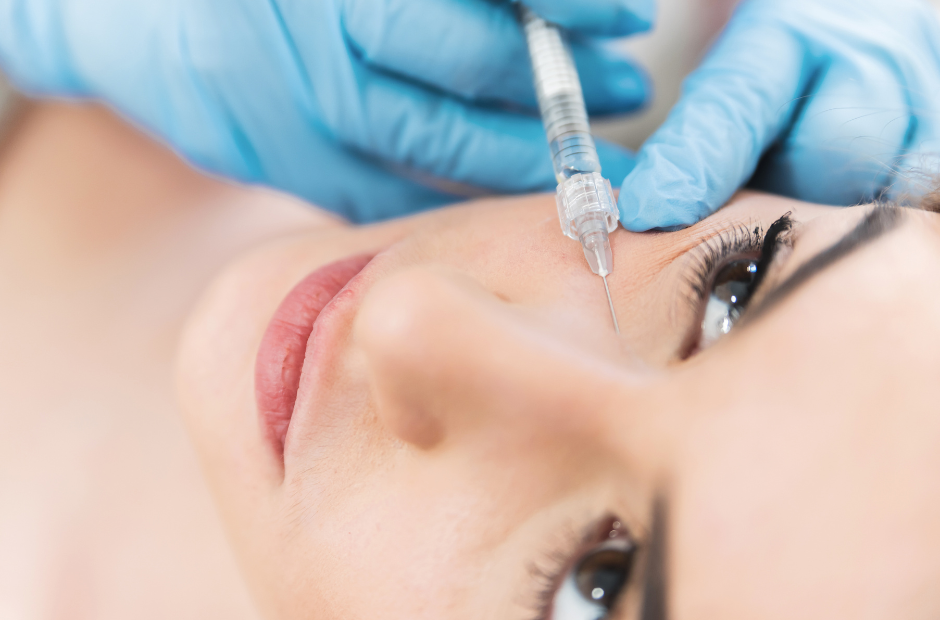
Anti-ageing procedures work by temporarily relaxing specific facial muscles that create repeated movement in the skin. It is particularly effective for what we call dynamic lines caused by facial expressions such as frowning, squinting or raising the eyebrows.
The most commonly treated areas tend to be the frown lines between the brows, forehead lines and crow’s feet around the eyes. When used well, it should soften movement rather than remove expression altogether. My aim is always for patients to look refreshed and natural, never frozen.
Why I’m Cautious About “Preventative Botox”
There is some logic behind the idea that reducing repetitive muscle movement may help delay deeper lines forming later on. However, the term has become oversimplified because the reality is that many younger patients simply do not need treatment.
In your 20s, your skin still has strong collagen and elastin support. Fine lines that appear when you smile or frown are often temporary and disappear when the face relaxes. That is normal skin behaviour, not a flaw.
I also think we have lost sight of what natural faces are supposed to look like. Filters, editing apps and heavily treated celebrity images have created unrealistic expectations, particularly for younger women. Expression is part of being human and a smiling face should move.
Starting Too Early Isn’t Necessarily Better
One of the misconceptions I hear is that the earlier you start with these treatments, the better you will age. But used unnecessarily or excessively over time, it can sometimes contribute to muscle weakening, compensatory movement in other parts of the face and a less natural appearance. In some cases, people can begin to lose the subtle facial movement that helps us communicate emotion and personality.
There is also the emotional side of aesthetics to consider. Increasingly, I see patients who are hyper-aware of tiny lines or asymmetries that nobody else notices. As doctors, we have a responsibility to treat appropriately, not simply because something is fashionable.
So When Is the Right Time?
There is no universal “correct age” for anti-wrinkle procedures – for some patients, it may be their late 30s or 40s when lines remain visible even when the face is at rest; and of course, others may choose never to have it at all.
What matters more than age is skin quality, facial movement, genetics, sun exposure and lifestyle factors. I also consider whether lines have become deeply etched or whether they are still only visible during expression. Most importantly, treatment should be led by the individual patient rather than social pressure or trends on social media.
What I Encourage Instead in Younger Patients
If someone in their 20s or early 30s asks me how to age well, my answer is rarely injectables first. I place far more importance on daily SPF use, good skincare, protecting collagen, managing stress, prioritising sleep and avoiding smoking. These are the things that genuinely influence how our complexions ages over time.
Interestingly, the aesthetic industry itself is starting to move away from the overfilled, frozen look that dominated for years. More patients are now asking for subtlety. They want to look fresher, healthier and well-rested – not like a different person. Injections certainly have a place when used carefully and appropriately, but ageing isn't something young women should fear or try to “prevent” before it has even begun. The most beautiful faces are the ones that still move, still laugh and still look entirely like themselves.


Comments